
.png)
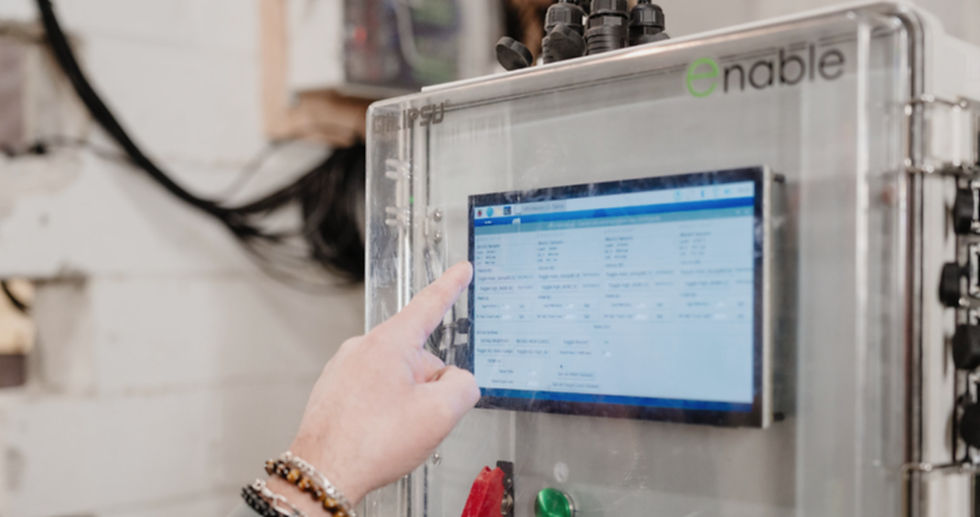
Monitoring.
Continuous structural health tracking through IoT sensor networks, temporal scan comparison, and automated alerting - giving you documented certainty that your asset is performing within tolerance.
Structural Health Monitoring
-
Short-term monitoring during jacking, transfers, staged construction, load redistribution, and critical pours
-
Long-term monitoring of deflection, rotation, crack width, strain, and vibration response
-
Correlation of measured response with analytical models (serviceability, creep/shrinkage, staged construction effects)
-
Thresholds and event tagging for exceedances (deflection limits, crack width limits, serviceability criteria, vibration comfort guidelines)
Load Testing
-
Static load testing of slabs, beams, balconies, podiums, parking decks, transfer elements, and localized details
-
Load testing of connections, anchors, guard/railing systems, and secondary steel elements
-
Design of loading protocols (incremental steps, hold periods, unloading cycles) and instrumentation layouts
-
Definition of acceptance criteria in line with relevant codes, standards, and project-specific performance objectives
-
Back-analysis of stiffness, residual deflection, and nonlinearity based on test results
Data Management, Processing & Reporting
-
Configuration of logging intervals, time stamping, and data storage for short- and long-duration campaigns
-
Signal conditioning, filtering, drift checks, and thermal compensation where required
-
Compilation of time histories, envelopes, and comparison plots against calculated demand/capacity or baseline behaviour
-
Technical reporting suitable for inclusion in design files, condition assessments, or submissions to authorities having jurisdiction


